Why Embroidery Services Los Angeles Businesses Rely On for Quality Apparel
When you run a business in Los Angeles, your brand lives in the details. A crisp logo on a polo shirt, a neat monogram on a cap, a subtle patch on a jacket sleeve. These small touches tell customers you care about how you present yourself. Over the years I have seen plenty of companies invest in custom apparel only to end up with faded prints, crooked designs, or fabric that pills after three washes. That is where embroidery shines, especially when you work with a shop that understands both the craft and the local market.
I started my career in screen printing back when film positives were cut by hand, and I have watched the industry shift from flatbed presses to DTF transfers and direct-to-garment. Through all that change, embroidery has stayed a staple for one reason: it lasts. A well-embroidered logo will outlive the shirt it sits on. The thread holds color, the stitching resists cracking, and the texture adds a tactile quality that print cannot match. For Los Angeles businesses, from boutique law firms in Beverly Hills to food trucks in Silver Lake, embroidery gives a professional finish that feels permanent. embroidery services Los Angeles Custom Shirt Printing
That is why I recommend embroidery services Los Angeles Custom Shirt Printing to anyone who needs uniforms that hold up under real use. The shop sits in the middle of the city, which means turnaround stays fast and you can talk directly with the people who run the machines. No middlemen, no offshore production, no waiting weeks for a sample that arrives with the wrong thread color. In-house production makes a difference, especially when you need to reorder quickly or adjust a design mid-run.
What Makes Embroidery Different From Screen Printing and DTF
Screen printing lays ink on top of the fabric. It looks great for bold graphics and large runs, but the ink sits on the surface. Over time, especially with frequent washing, it can crack or peel. DTF transfers offer more detail and work on dark fabrics, but the adhesive layer can stiffen the garment and may wear unevenly. Embroidery, by contrast, embeds thread directly into the fabric. The design becomes part of the garment. You can wash it, dry it, fold it, and the logo stays crisp.
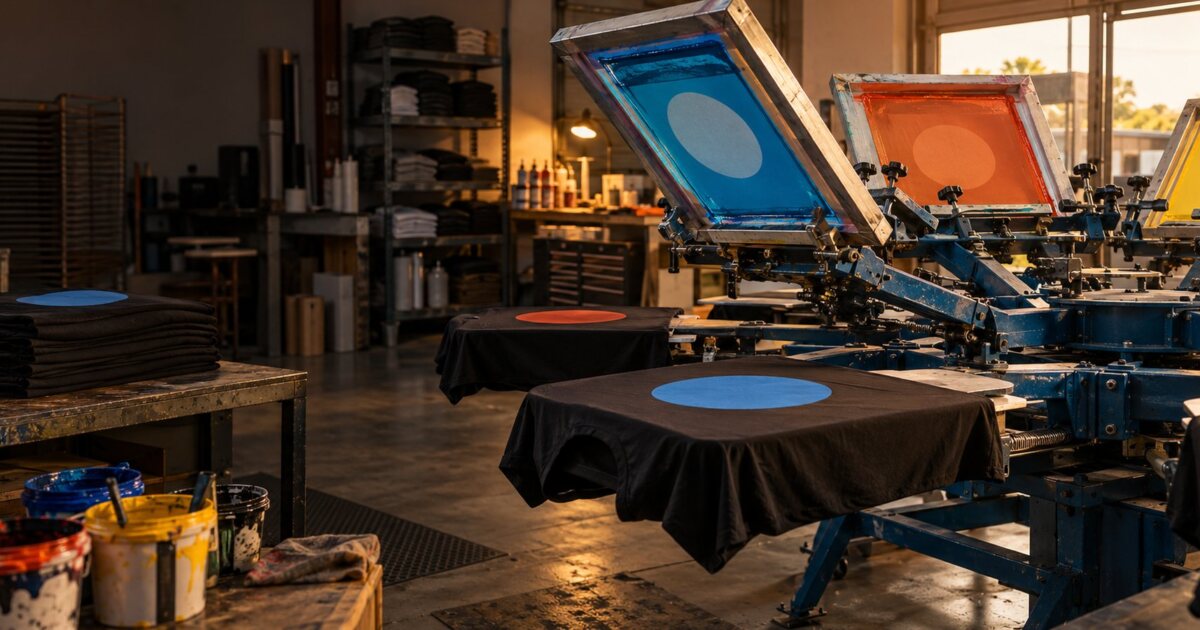
There is a trade-off, of course. Embroidery costs more per piece than screen printing, and it cannot reproduce fine gradients or photographic detail. A logo with tiny text, say 8-point type, will not read clearly in thread. A skilled digitizer can adjust the design, but at some point print is the better choice. For simple logos, monograms, and text above a certain size, embroidery wins on durability and perceived value. The trick is knowing which projects suit which method, and a good shop will tell you honestly instead of just taking your order.
How a Family-Owned Shop Approaches Embroidery
When I walk into Custom Shirt Printing, I see the same things I would expect from a shop that has been around for years: organized shelves of blanks, a wall of thread samples, and a digitizing station where someone is tweaking a design for a customer who wants their logo to look just right. The family-run nature of the place means decisions get made fast. Need a rush order for a trade show next week? They can adjust the schedule. Want to see how a design looks on a different color shirt? They pull a sample right there.
The digitizing process is where most embroidery jobs succeed or fail. A digitizer takes a flat logo file and translates it into stitch commands: which direction each stitch runs, where to place density, how to handle underlay so the design does not pucker. A bad digitizer will give you a design that distorts the fabric or leaves gaps. A good one knows how to match the thread color to the pantone you need and how to adjust for stretchy materials like pique knit or performance wear. The shop I work with has been digitizing in-house for years, and that experience shows in the finished product.
Practical Details for Ordering Embroidery in Los Angeles
If you are ordering custom embroidered apparel for the first time, here are a few things to keep in mind:
- Bring a vector file if you have one. AI, EPS, or SVG files translate best. A JPEG can work but may need manual cleanup, which costs time and money.
- Know your garment. Cotton pique polos take thread differently than nylon jackets. A good shop will tell you if a design needs adjustment based on the fabric.
- Order a sample before going into full production. Even with years of experience, colors can look different on screen than in thread. A sample run catches those issues early.
- Plan for turnaround. In-house shops in Los Angeles can often handle 5 to 7 business days for standard orders. Rush orders may cost extra but can cut that in half.
These steps sound simple, but I have seen people skip them and end up with 50 shirts they cannot use. A little planning saves a lot of frustration.
Why Local Production Matters
Los Angeles has a long history of garment manufacturing, and that infrastructure is still here. When you work with a local shop like embroidery services Los Angeles Custom Shirt Printing, you keep production close. That means you can visit the facility, see the machines running, and talk to the digitizer about your file. If something goes wrong, you are not dealing with a customer service rep in another time zone. You walk in and get it fixed.
The local angle also helps with sustainability. Shorter shipping distances mean less fuel burned. And when you order exactly what you need, instead of over-ordering from a catalog, you reduce waste. For businesses that care about their environmental footprint, local embroidery production aligns with those values.
Matching the Method to the Project
Not every custom apparel job needs embroidery. For a one-time event shirt with a full-color photo, screen printing or DTF is the better call. For a polo shirt that an employee will wear every day for two years, embroidery is worth the extra cost. The same goes for hats, where the curved surface and structured front make print less reliable. A well-embroidered hat logo stays centered and readable, even after months of wear.
I have also seen businesses use embroidery for internal branding: putting the company logo on aprons for a restaurant kitchen, on work shirts for a construction crew, on jackets for a sales team that travels. Each of those environments puts different demands on the apparel. Embroidery handles the abrasion, the washing, and the daily use better than any print method I have used.
Getting Started With Your Order
If you are considering custom embroidered apparel, start with a clear idea of what you want your logo to look like in thread. Keep the design simple. Remove small text, fine lines, and gradients. If your logo is complex, ask the shop about simplification options. Most digitizers can tweak the design to keep the look while making it stitchable.
Next, choose your garments. A mid-weight pique polo works for most office and field uses. Performance polos with moisture-wicking fabric work well for active jobs. Hats come in structured and unstructured styles, with different crown heights and closure types. A good shop will have samples you can feel and try on. Do not guess. Touch the fabric. See how it moves.
Finally, discuss the thread colors. Most shops carry a standard set of thread brands, and they can match your pantone from that palette. If you need a specific color match, ask about it early. Some threads are available in a wider range, but special orders may add lead time.
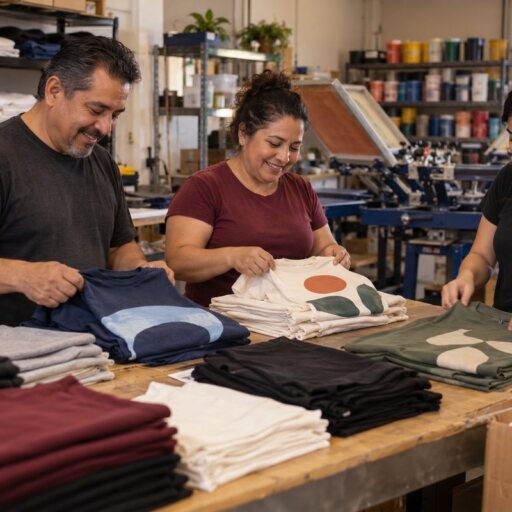
Working with a family-owned shop like Custom Shirt Printing means you get that kind of guidance without the sales pitch. They want you to be happy with the result because repeat business and referrals drive their growth. In a city as competitive as Los Angeles, that personal attention matters.
Embroidery is not the right answer for every custom apparel project, but when it fits, it fits well. The durability, the professional look, and the tactile quality make it a strong choice for businesses that want their brand to last. And when you work with a local shop that knows the craft, you end up with apparel you can be proud to wear.
 Facebook
 Instagram